

How to Achieve Sustainable Design in Future Residential Buildings
In today's rapidly evolving world, the importance of sustainable engineering materials cannot be overstated. As the global population continues to grow, so too does the demand for innovative solutions in building construction that not only meet our present needs but also safeguard the environment for future generations. One key area where sustainable engineering materials play a crucial role is in the design and construction of residential buildings.
The Significance of Sustainable Engineering Materials
Sustainable engineering materials offer a myriad of benefits that go beyond traditional construction practices. By utilizing materials that are environmentally friendly, energy-efficient, and durable, we can significantly reduce the carbon footprint of residential buildings while enhancing their longevity and performance. From reducing waste in landfills to lowering energy consumption, the impact of sustainable engineering materials is far-reaching and transformative.
Key Strategies for Achieving Sustainable Design
1. Opt for Recycled and Upcycled Materials
Embracing recycled and upcycled materials not only reduces the demand for new resources but also gives a second life to materials that would otherwise end up in a landfill. Utilizing materials such as reclaimed wood, recycled glass, or upcycled metal can add unique character to residential buildings while promoting sustainability.
2. Prioritize Energy-Efficient Solutions
Energy efficiency is a cornerstone of sustainable design in residential buildings. Incorporating features such as high-performance insulation, energy-efficient appliances, and smart building technologies can significantly reduce energy consumption and operational costs while minimizing environmental impact.
3. Choose Locally Sourced Materials
Opting for locally sourced materials not only supports the local economy but also reduces the carbon footprint associated with transportation. By sourcing materials from nearby suppliers, we can minimize emissions from transportation and promote sustainable practices within the community.
Embracing a Sustainable Future
In envisioning the future of residential buildings, sustainability must be at the forefront of design considerations. By adopting sustainable engineering materials and practices, we can create living spaces that are not only aesthetically pleasing and functional but also environmentally responsible. The shift towards sustainable design is not just a trend; it is a fundamental shift towards a more conscious and mindful approach to building construction.

As we look towards the horizon of the future, the possibilities for sustainable engineering materials in residential buildings are endless. From eco-friendly insulation to solar panels and green roofs, the innovations in sustainable design continue to push boundaries and redefine the way we build. By integrating sustainable engineering materials into our construction projects, we are not just creating buildings; we are shaping a more sustainable and resilient future for generations to come.
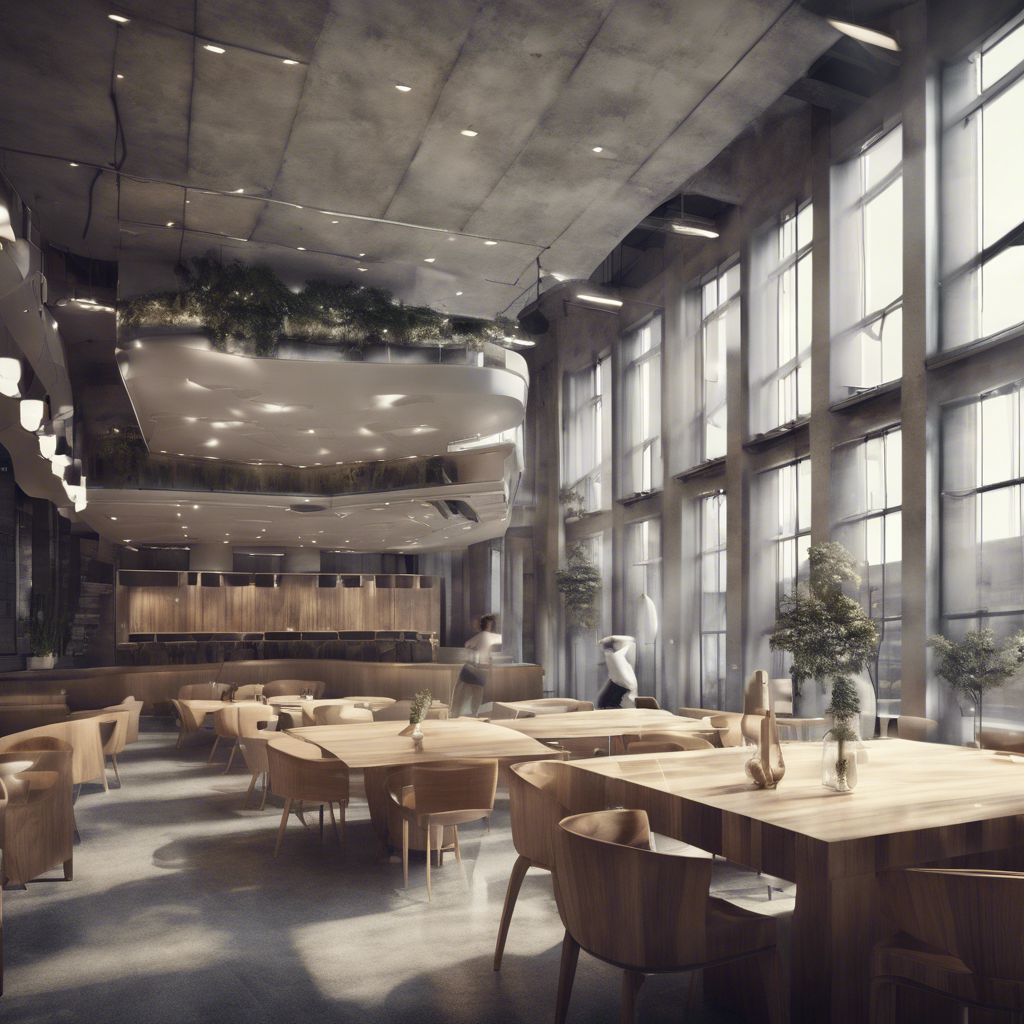
In conclusion, sustainable design in future residential buildings is not just a choice; it is a responsibility. By harnessing the power of sustainable engineering materials and adhering to eco-conscious practices, we can pave the way for a greener, healthier, and more sustainable built environment. Let us embark on this journey towards a brighter future, one sustainable building at a time.



Comments